AI and Quantum: A New Era of Simulation
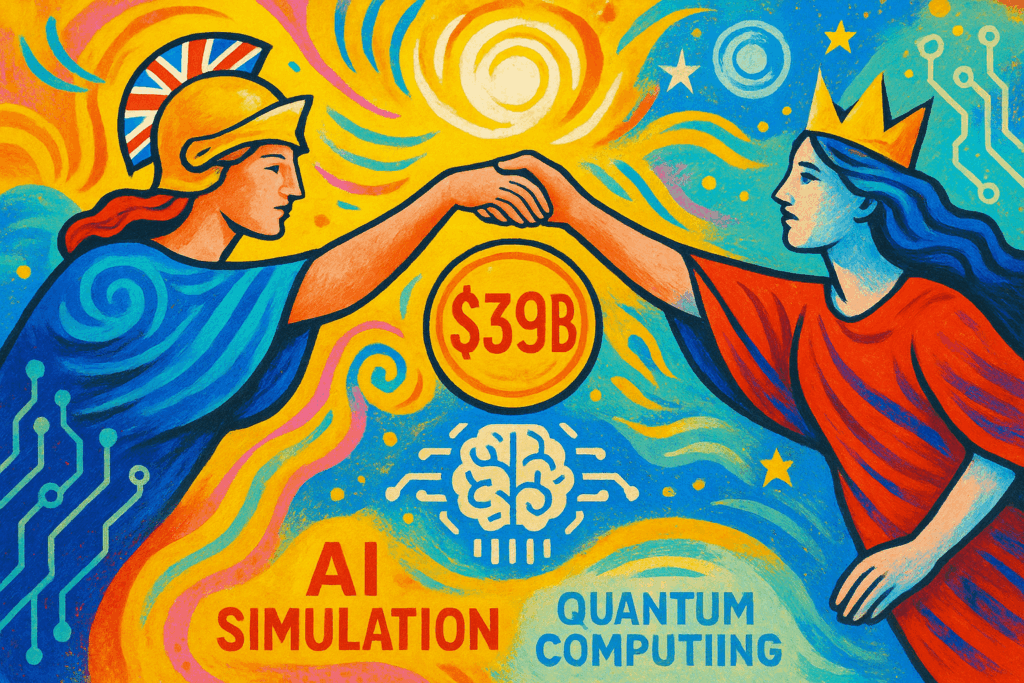
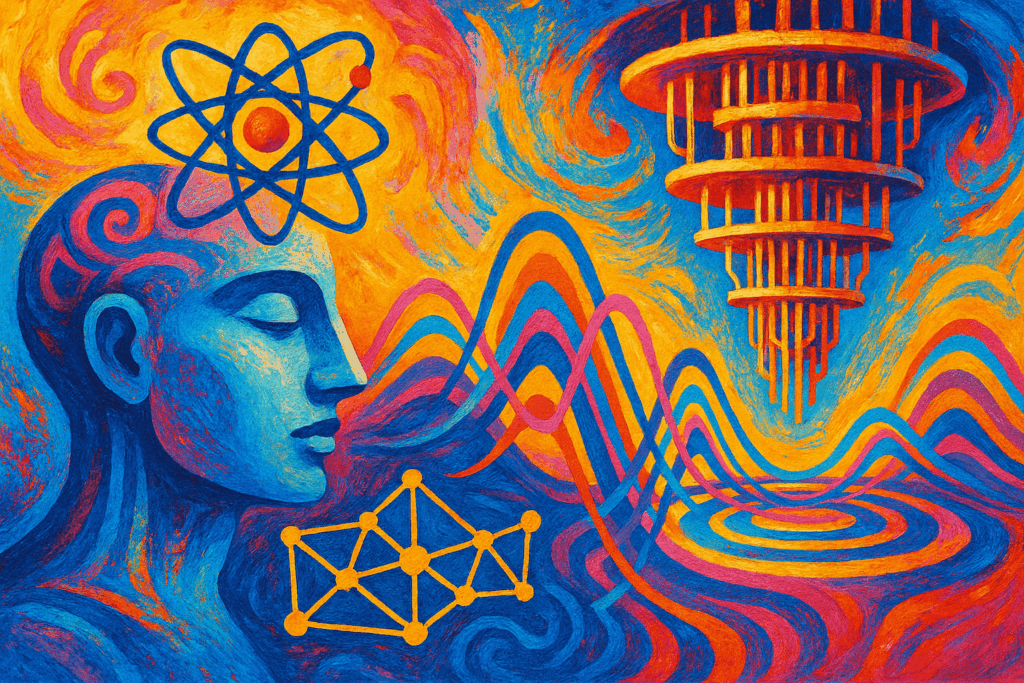
AI-powered quantum simulations merge machine learning models with quantum processors and classical simulators to model physical systems that are otherwise intractable. Instead of treating AI and quantum computing as separate tools, modern workflows loop them together. AI proposes experiment designs, compresses quantum data, and builds surrogate models that let researchers explore far larger parameter spaces than hardware-alone approaches allow.
How AI Accelerates Quantum Discovery
AI contributes at multiple stages of the simulation lifecycle. It optimizes variational circuit parameters, helps with error mitigation and noise characterization, and automates quantum compiler decisions to reduce resource use. On the science side, generative models and Bayesian optimization suggest promising molecular or material candidates, while active learning prioritizes the most informative quantum measurements. For researchers, this means fewer costly runs on limited quantum hardware and faster iteration from hypothesis to validated result.
Impactful Applications on the Horizon
The most immediate gains appear in computational chemistry and materials science. AI-augmented quantum simulations can predict reaction pathways, binding affinities, and electronic properties with greater fidelity than classical approximations. Drug discovery workflows benefit from targeted candidate generation and rapid evaluation. In industry, hybrid approaches promise better solutions for complex optimization tasks in logistics, finance, and energy systems where classical heuristics fall short.
Path Forward
Significant barriers remain: quantum hardware noise, limited qubit counts, and the need for standardized hybrid toolchains. Progress is being driven by improved algorithms, more sophisticated error mitigation, and cloud-based access to quantum accelerators. For investors and researchers, the opportunity lies in building interoperable pipelines that combine AI models, classical HPC, and quantum backends. The result will be faster scientific cycles and capabilities that open new commercial and research frontiers.
QuantumAIInsiders.com provides timely analysis on this convergence. Subscribe for concise updates on tools, breakthroughs, and real-world deployments in AI-powered quantum simulation.