
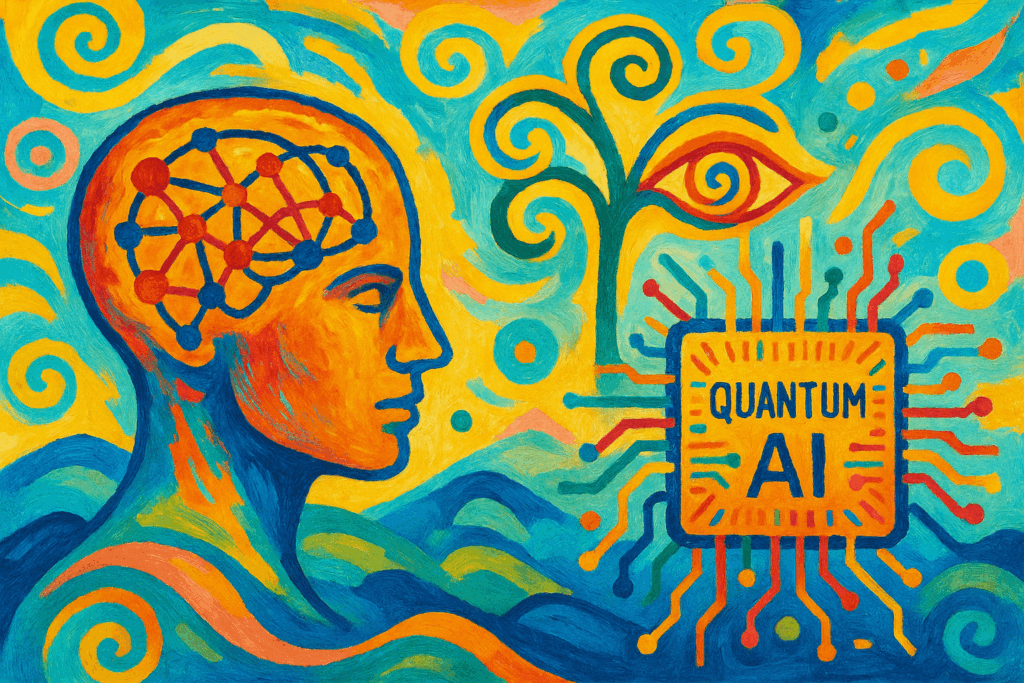
The Promise of Quantum-Powered AI
Quantum AI combines quantum computing principles with machine learning to tackle problems that classical systems struggle with. For businesses and investors, the appeal is not theoretical speed alone but the prospect of better solutions for optimization, simulation, and pattern discovery in highly complex systems.
Bridging Lab Breakthroughs to Market Realities
Recent progress includes larger qubit counts, improved coherence times, and cloud access to prototype devices. Still, practical deployment requires addressing error rates, scaling architectures, and creating robust software stacks. Hybrid approaches that pair classical ML with quantum subroutines are the dominant path to near-term value.
Early Wins and Near-Term Applications
- Pharma and materials: quantum-assisted simulation speeds candidate screening for molecules and catalysts.
- Finance: portfolio optimization and risk modeling using specialized quantum algorithms.
- Logistics: route and schedule optimization at scales where classical heuristics hit limits.
- Materials science: designing battery and semiconductor materials with quantum simulations.
These are mostly pilot projects and proofs of concept today, but several firms report measurable advantages in simulation fidelity or computation time for well-scoped problems.
Momentum, Challenges, and a 3-5 Year Outlook
Momentum is driven by increased private investment, industry partnerships, and growing software ecosystems. Key hurdles remain: fault-tolerant qubits, standardized benchmarks, talent shortages, and cost-effective deployment models. Over the next 3 to 5 years expect broader hybrid adoption, more industry-specific pilots, and clearer commercial KPIs as providers mature.
Practical Steps for Business Leaders
- Monitor provider roadmaps and benchmark results relevant to your use cases.
- Run small pilot projects with hybrid workflows to test value without heavy capital outlay.
- Invest in upskilling data teams and forming strategic partnerships with vendors or startups.
Quantum AI will not replace classical computing soon, but for targeted problems it can unlock new value. Staying informed and experimenting now positions organizations to benefit as the technology matures.