AI Simulation Illuminates Gut-Brain Axis in Health Science
How AI-Driven QSP Models Accelerate Discovery
Quantitative Systems Pharmacology models combine biological knowledge with data-driven AI to simulate complex physiological networks. By integrating multi-omics data, metabolic pathways, and dosing scenarios, AI-driven QSP lets researchers test hypotheses in silico at scale. This approach compresses long experimental cycles into computational runs, focusing lab work on the most promising leads and reducing reliance on animal studies while improving confidence in human outcomes.
Citicoline’s New Mechanism: A Real-World Breakthrough
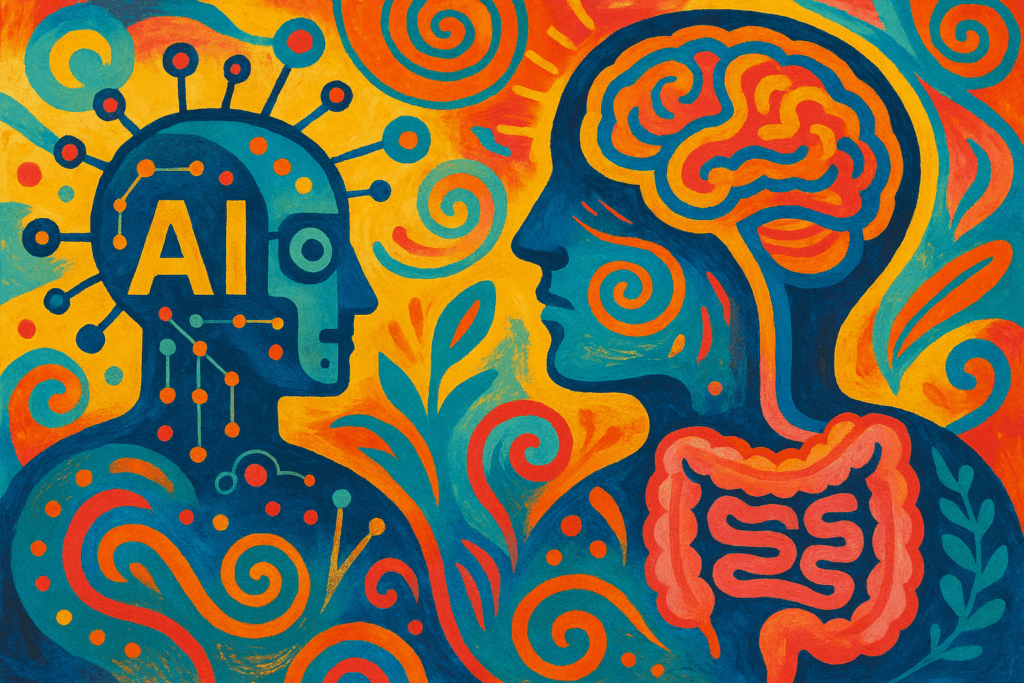
In a collaboration between Fujitsu Limited and Kirin Holdings Company, Limited, AI-based QSP modeling identified a previously uncharacterized gut-brain interaction linked to citicoline. The simulation indicates citicoline can modify gut-derived signaling molecules that influence neural pathways associated with cognitive function. These results do not claim final clinical proof, but they spotlight a plausible mechanism that can be prioritized for targeted human studies.
The Future of Ethical, Efficient R&D
The Fujitsu-Kirin work demonstrates three practical benefits. First, it accelerates R&D by narrowing experimental focus to mechanisms with high translational promise. Second, it reduces animal testing through robust in silico validation of pathways and targets. Third, it raises the probability that interventions will show human efficacy by incorporating human-relevant biological parameters early in development.
Beyond the immediate findings, this project offers a template for food functionality and cognitive health research: combine domain expertise with AI-based systems models to prioritize hypotheses and design smarter trials. While these simulations run on classical HPC today, their increasing complexity points toward future opportunities for quantum-assisted methods to handle even larger biological networks and stochastic dynamics.
Fujitsu and Kirin’s collaboration highlights how advanced computational modeling can translate basic science into actionable research strategies, supporting more sustainable and ethical progress in health science.