The New Frontier: AI Powering Quantum Simulations
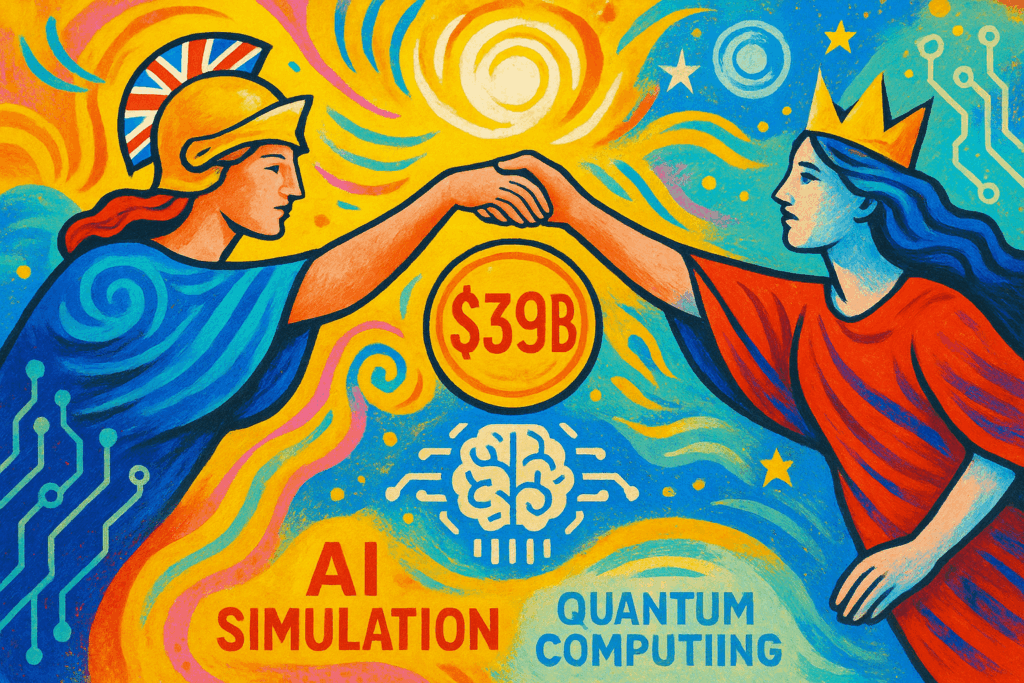
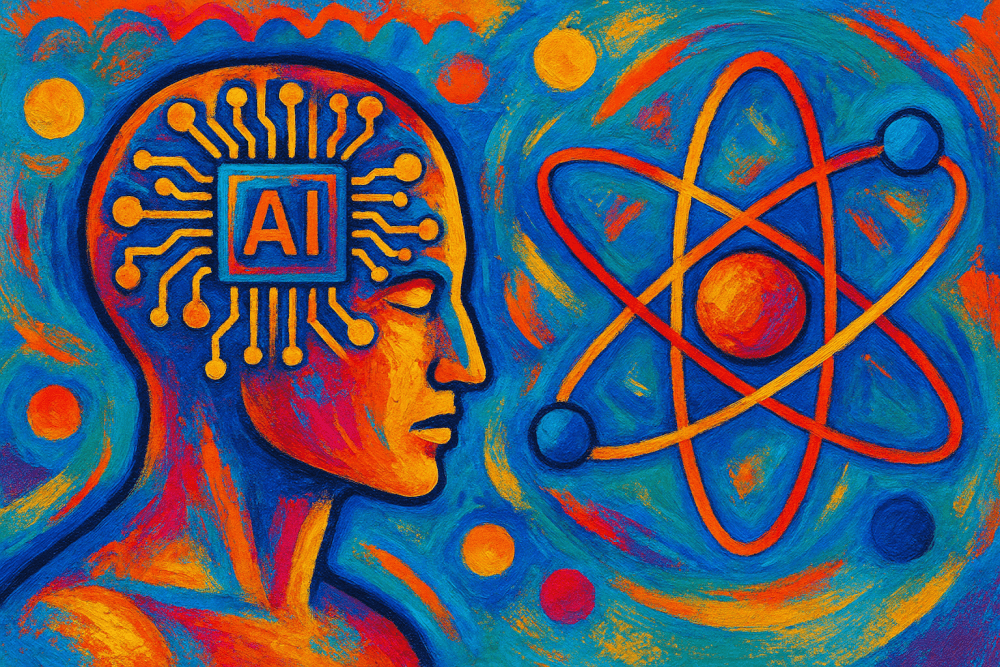
AI-powered quantum simulations combine machine learning with quantum processors to model systems that classical computers struggle to handle. By pairing AI algorithms with quantum hardware, researchers can approximate molecular energies, explore novel materials, and simulate complex systems with greater efficiency than many traditional approaches.
Bridging AI and Quantum Capabilities
AI contributes at multiple stages of quantum simulation. Machine learning helps design compact quantum circuits, correct noisy measurements, and prioritize which quantum experiments to run. Hybrid workflows send parts of a problem to a quantum processor while classical networks learn patterns from measurement results. Techniques from quantum machine learning, like variational algorithms, use classical optimizers to tune quantum circuits and extract useful predictions from limited, noisy hardware.
Pushing the Boundaries of Discovery
Practical advances are already emerging in materials science and drug research. Quantum simulations can model electron interactions in candidate materials for batteries or superconductors, revealing properties that would be costly to find by trial and error. In pharmaceuticals, tighter simulations of molecular binding could speed lead identification. Outside science, financial modeling and optimization problems stand to gain from faster sampling and new heuristic approaches that mix quantum steps with AI-driven decision making.
The Road Ahead for Quantum AI
Significant hurdles remain. Quantum hardware still faces error rates and limited qubit counts, while many algorithms require careful adaptation to real devices. Data scarcity and interpretability of hybrid models pose additional practical limits. The near-term focus will be on hybrid methods that squeeze value from noisy intermediate-scale quantum devices, alongside quantum-inspired classical tools that borrow ideas without requiring full-scale quantum computers.
A Glimpse into Tomorrow’s Tech
AI and quantum simulations together promise faster scientific cycles and new problem-solving methods. For investors, researchers, and tech leaders, this work signals a shift from theoretical potential to applied results. Follow QuantumAIInsiders for concise updates as the field moves from laboratory experiments to industry-grade workflows.