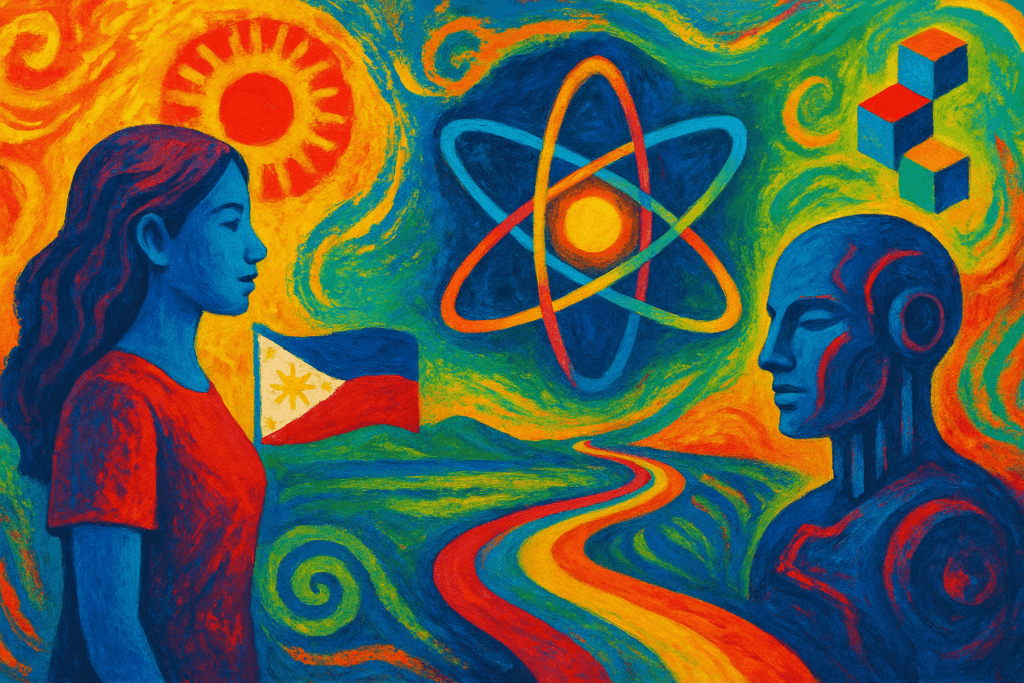
The Philippines has launched a deliberate strategy to enter the global quantum landscape by 2035, focused on quantum simulation, AI-assisted applications and workforce development. Led by the Department of Science and Technology and PCIEERD, the plan prioritizes practical research, institutional capacity and international partnerships over immediate hardware production.
Fostering Innovation: Quantum Labs and AI Synergy
National initiatives include a Quantum Technology Roadmap and the creation of research hubs such as the Quantum and Intelligent Systems Laboratory for Power Engineering (QISLaP) and the Quantum Innovation Laboratory (QIL). These centers apply quantum-inspired models and quantum circuit simulation alongside machine learning to address energy system optimization, power-grid resilience and other national challenges. AI accelerates simulation workflows, helps tune quantum algorithms and makes it possible to prototype use cases on classical and cloud-based quantum simulators before committing to hardware experiments.
Building a Skilled Quantum Workforce for the Future
Philippine policy emphasizes talent development through scholarships, targeted R and D funding, university partnerships and short programs that build competence in quantum information science, quantum software and AI-quantum hybrids. Officials have signaled that the immediate priority is building human capital and a research base that can contribute to global projects, rather than competing to build quantum processors locally in the near term. This people-first approach aims to create researchers, engineers and educators who can sustain long-term growth in the field.
Global Engagement and National Competitiveness
International collaboration is central to the strategy. The Philippines seeks partnerships with established quantum centers, regional research networks and industry players to exchange expertise, access cloud-based quantum hardware and join multi-lateral consortia. By combining AI and quantum simulation expertise with collaborative networks, the country aims to gain visibility in the global quantum ecosystem and strengthen its competitiveness in emerging technology sectors by 2035.
For professionals tracking the intersection of AI and quantum, the Philippines offers a case study in how a smaller nation can pursue measurable capability-building, apply quantum-inspired tools to real-world sectors like energy and cultivate a pipeline of talent for the next decade of innovation.