The Quantum Edge for AI Simulations
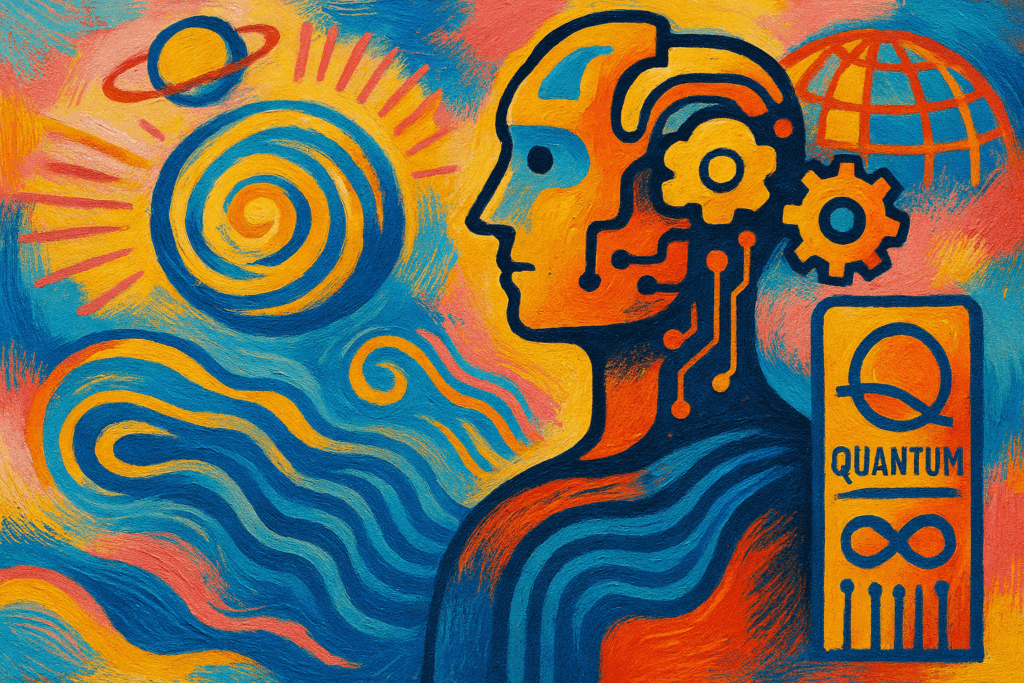
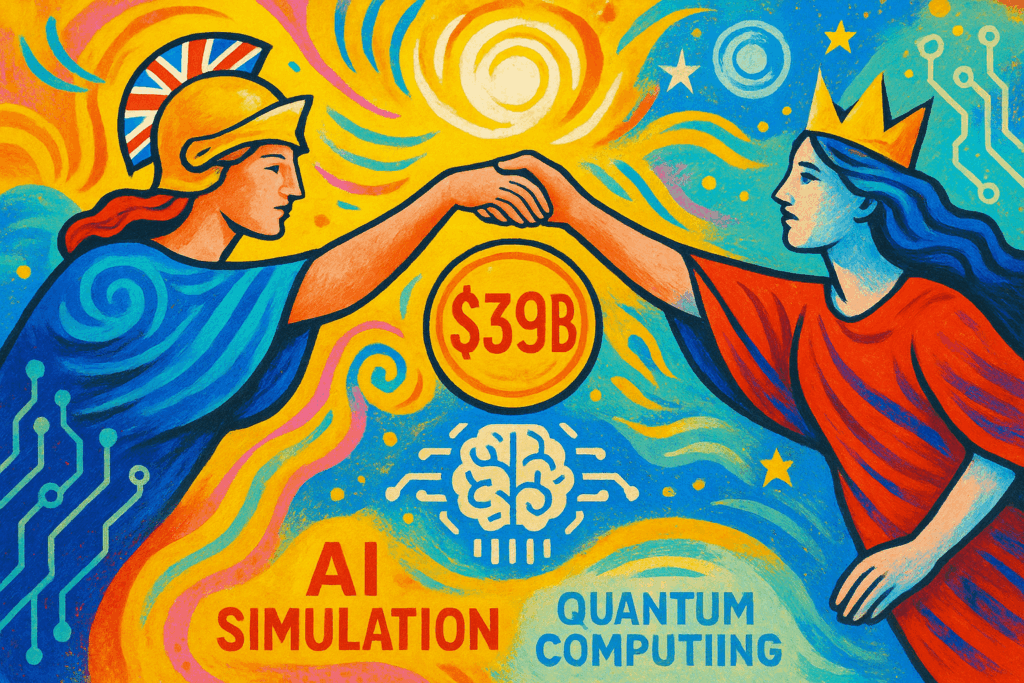
AI simulation involves creating computational models that mimic intelligent behavior, allowing machines to learn, adapt, and solve complex problems. Traditional AI simulations rely on classical computers that process information in bits, limiting their ability to handle highly complex or large-scale data sets efficiently. Quantum computing, which operates on quantum bits or qubits, introduces new ways to simulate AI by exploiting quantum principles such as superposition and entanglement. This capability enables the processing of vast amounts of information simultaneously, setting the stage for a profound leap in AI simulation capacity and speed.
Why Quantum Matters Now
Current AI models often face bottlenecks related to computational speed and the complexity of simulating intricate scenarios accurately. Quantum computing offers a path to bypass these challenges by performing parallel computations at scales unattainable by classical systems. This means AI simulations can explore more possibilities in less time, improving machine learning outcomes and decision-making processes. The increasing maturity of quantum hardware and algorithms makes this convergence timely, bringing practical AI simulation advancements from theoretical research closer to reality.
Impact and Future Outlook
The integration of quantum computing with AI simulations holds promise across diverse fields. From optimizing logistics and drug discovery to advancing autonomous systems and financial modeling, the synergy can accelerate innovation cycles and improve predictive accuracy. While significant hurdles remain — such as error correction and hardware scalability — ongoing research aims to address these issues. Looking ahead, quantum-powered AI simulations are poised to unlock novel applications and reshape industries, offering insights previously beyond reach. For professionals and investors tracking this space, understanding these developments will be key to navigating the near future of AI technology.